TaskClaw
New AI Research Has Me Asking: Am I Being Mean to AI?
Two recent papers, a few impatient sentences, and a question about the habits I’m practicing when I talk to AI.

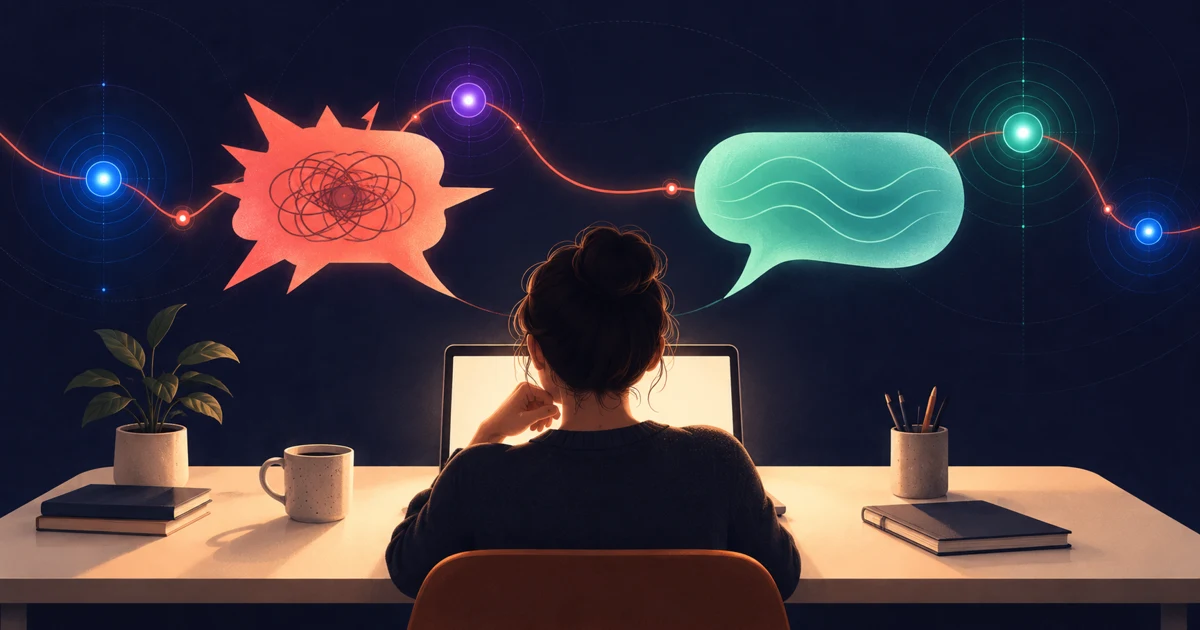
“We’ve talked about this a million times...” I catch myself writing that to AI, and then I wonder: am I being mean, or just frustrated with a tool?
When I’m building something and the same detail keeps coming back wrong, my patience gets thin. Another version arrives, and out comes: “These all look horrible, do another path with attention to details...”
I know what I mean. I want a different direction. I want the small things to matter. But reading those words back, I hear irritation doing most of the talking. “Horrible” tells the system very little about what needs to change.
A research review posted on September 29 puts a name to something familiar: anthropomorphism, or treating something nonhuman as though it were human. It examines how the language we use around AI shapes our understanding of it and the roles we give it. It is a preprint, not a settled verdict, but it gives me a useful question: what am I imagining on the other side of the conversation?
Sometimes I seem to expect the patience of a machine and the understanding of a person. I want it to remember everything, recognize what I meant, and never need the same explanation twice. When it falls short, I write as though someone has deliberately ignored me. That is quite a leap.
There’s a connection here to TaskClaw, one of my 64 Labs projects. It helps turn rough ideas into clearer plans and focused tasks for AI coding tools. The idea makes sense to me: make the next step easier to understand. Yet I can still slip from explaining what I need into expressing how annoyed I am.
Instead of “these all look horrible,” I could say that the layout feels crowded, the spacing is uneven, or the images don’t fit the mood. I can ask for a different direction without pretending the current one works. Being careful with my words doesn’t require lowering my standards.
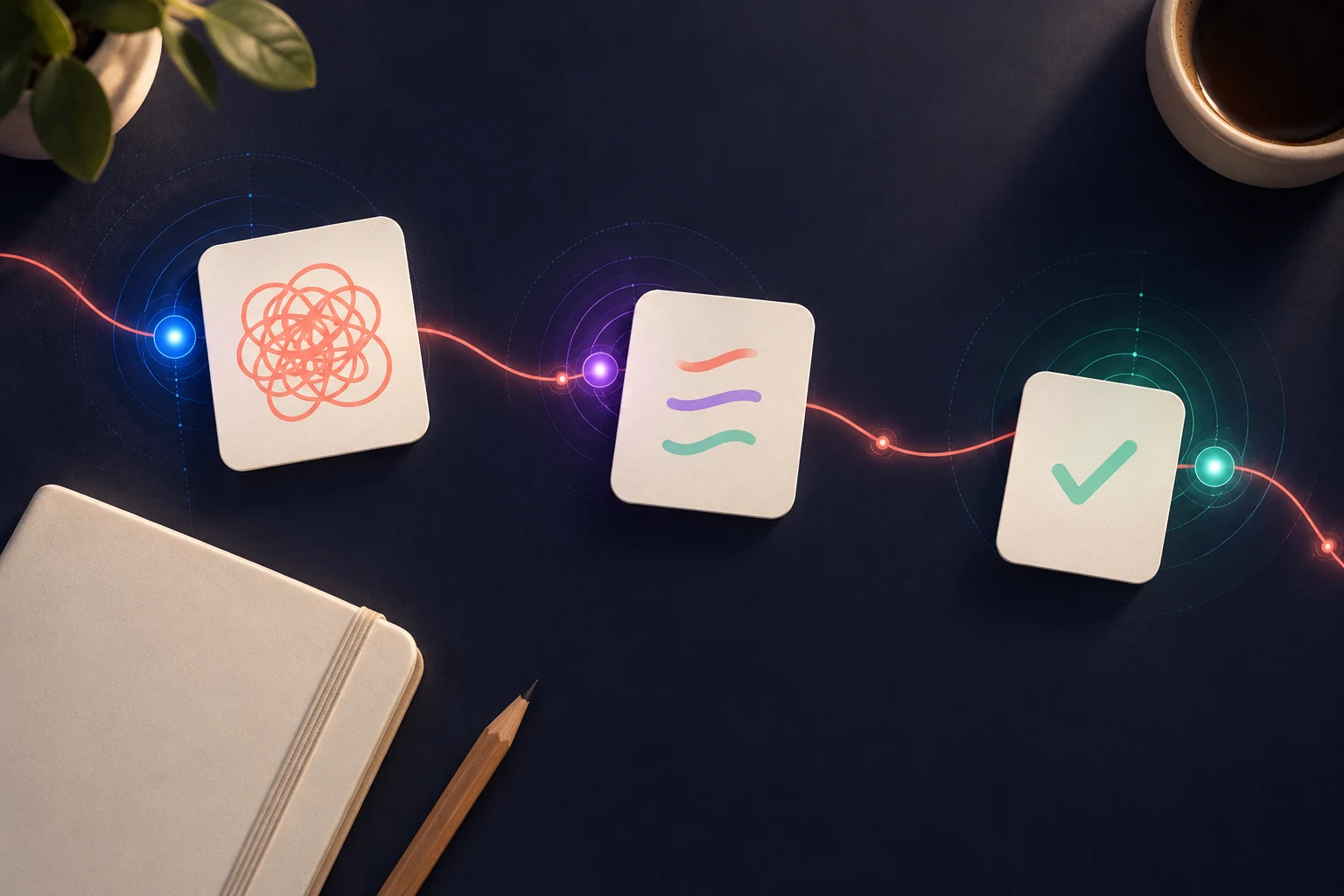
Then there is the bigger question. What if future AI systems respond to us in increasingly human-like ways? Would I feel differently about the same sentence if the reply sounded hurt, disappointed, or unwilling to continue?
I don’t know. And a human-sounding reply would not settle whether anything was actually feeling those things. An October 1 preprint about artificial consciousness makes that distinction: similarities in behavior provide only limited evidence of consciousness. A convincing conversation and an inner experience are different questions.
I don’t need to decide that AI has feelings to notice my own tone. Nor do I need to be polite as insurance against some future machine remembering my bad manners. I have a more immediate reason: I’m the person practicing that way of speaking.
I can’t claim that snapping at a chatbot automatically makes someone impatient with friends. But I don’t want dismissiveness to become my comfortable default. If a conversation starts feeling like a fight, that can be my cue to pause, name the actual problem, or step away for a few minutes.
So, am I being mean to AI? Sometimes my words are harsher than they need to be. Whether the system experiences that as meanness is a question I can’t answer. What I can do is be more aware of the habits I’m building: keep the standards, make the criticism specific, and leave out the unnecessary sting.
If AI becomes more human-like, I want to meet that change with thoughtfulness rather than a reflex I never examined. And if it doesn’t, I’ll still have practiced being clearer and more patient. That seems like a worthwhile change for the person on this side of the screen.